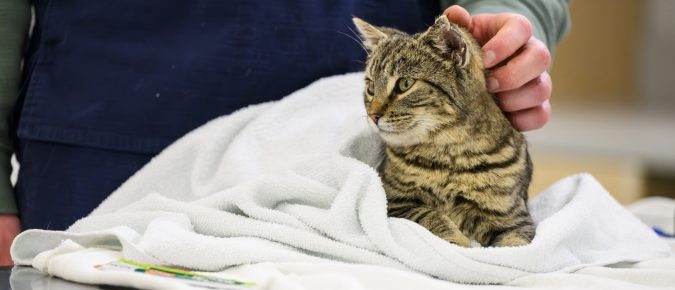
Cooperatives in the veterinary sector generally take two forms: purchasing cooperatives and worker-owned cooperatives. Purchasing cooperatives bring independently owned veterinary hospitals and clinics together to increase their collective buying power. Worker cooperatives offer a different opportunity, particularly for business succession.
A utility cooperative is a type of cooperative that is responsible for providing public utility services such as electricity, water, or telecommunications. Utility cooperatives are owned and governed by the customers they serve. Most utility cooperatives are not-for-profit organizations. Their main purpose is to provide safe, reliable, and affordable services to their members rather than to generate a profit.
Cooperatives in the transportation sector encompass a broad range of functionality, from worker-owned taxicab cooperatives, car sharing as an alternative for car ownership, or school districts organizing for collective purchasing of school buses. Cooperatives may be organized to meet the demand for services in lower-density rural areas or to meet specialized transport requirements.
Retailer cooperatives focus on the needs of their members, who may be independent business owners in a retailer-owned cooperative or consumers in a consumer-owned cooperative. While these two models have different ownership structures, both use cooperation to create benefits that individual businesses and consumers may not be able to achieve on their own.
Real estate and land cooperatives provide community-centered alternatives to conventional real estate ownership. While models vary, they generally seek to increase local control, strengthen communities, and create more equitable access to housing and commercial space.
media cooperatives have emerged as an alternative ownership model that prioritizes the information needs of their members and communities. These organizations produce news and information based on a geographic area, a shared interest, or a common mission.
In the manufacturing industry, worker-owned cooperatives are among the most visible examples of cooperative business ownership. Across industries ranging from advanced automation and industrial equipment to windows, textiles, and marine services, worker-owned manufacturers combine technical expertise with shared ownership, giving employees a direct stake in the success of the business.
The most common application of the cooperative model in the insurance industry is mutual insurance, where policyholders are also the owners of the organization. The cooperative model is also being used in other areas of the insurance sector.
A housing co-op is a type of housing that is owned and managed by the people who live there. Housing co-ops can take many forms, including apartment buildings, a neighborhood of single-family homes, manufactured home communities, or student housing. They can serve many different groups including seniors, first-time homebuyers, and long-term renters looking for long-term housing stability.
The cooperative model plays a small but important role in the U.S. healthcare system and can be found at every level of healthcare. Unlike traditional investor-owned healthcare companies, cooperatives in healthcare are owned and governed by their members. Those members may be patients, employers, healthcare workers, or healthcare organizations, depending on the type of cooperative.