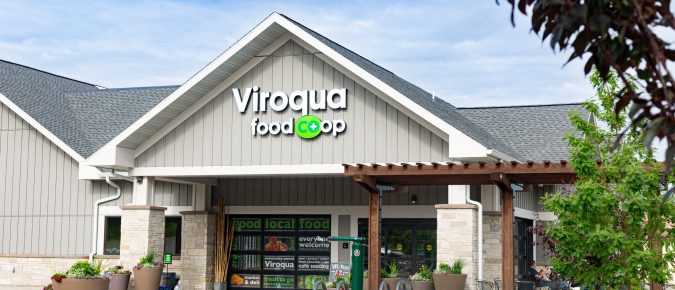
The retail grocery industry is a large and competitive market that includes national chains, regional supermarkets, independent grocery stores, warehouse clubs, and online retailers. Large companies such as Walmart, Kroger, Costco, and Albertsons account for a significant share of grocery sales, but thousands of smaller stores also serve local communities.
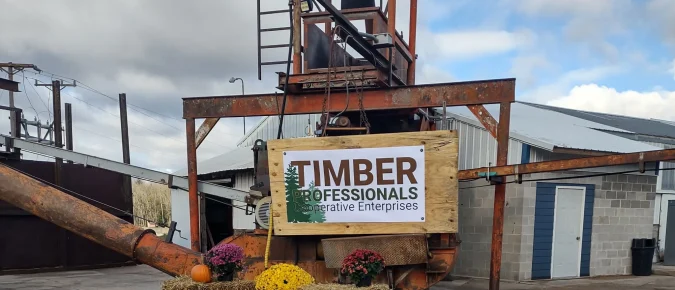
Cooperatives in the forest industry help people work together to manage forests, produce wood products, and support local communities. These businesses are owned and governed by their members, who share in the benefits and help make important decisions.
Financial cooperatives are organizations that provide loans and other financial services. They include credit unions, Farm Credit banks, and other lenders that help cooperatives and community businesses.
Construction and home services cooperatives include businesses such as solar installers, landscapers, cleaners, and other skilled trades. Most are worker cooperatives, where the workers own and run the business. Some are consumer cooperatives, such as community solar projects that are owned by the people who benefit from the production of solar power.
Cooperatives can offer community-based solutions that improve wages and working conditions for childcare workers, support the long-term success of childcare providers, and help communities meet local childcare needs.
Caregivers help people meet their daily needs and improve their quality of life. They provide essential support that allows children, older adults, people with disabilities, and others to thrive.
Artist and craft cooperatives help artists and makers sell their work and earn more income. By working together, members can share the costs of things they need, such as studio space, gallery space, retail stores, materials, and other services.
Agricultural cooperatives, or “ag co-ops,” have helped farmers succeed in the United States for more than a century. By working together, farmers can purchase supplies, market their products, process crops and livestock, and access services that might be too costly or difficult to obtain on their own.
A multi-stakeholder cooperative is owned and governed by two or more groups of stakeholders who are connected to the co-op.
Purchasing cooperatives, sometimes called shared services cooperatives, are owned by businesses or organizations that work together to meet common needs.